Our campaigns are deeply rooted in the planet’s most pressing environmental concerns. Our role is to engage audiences worldwide with impactful and empowering content.
We do this by presenting expert analysis, insights, and actionable recommendations through a variety of media touchpoints.
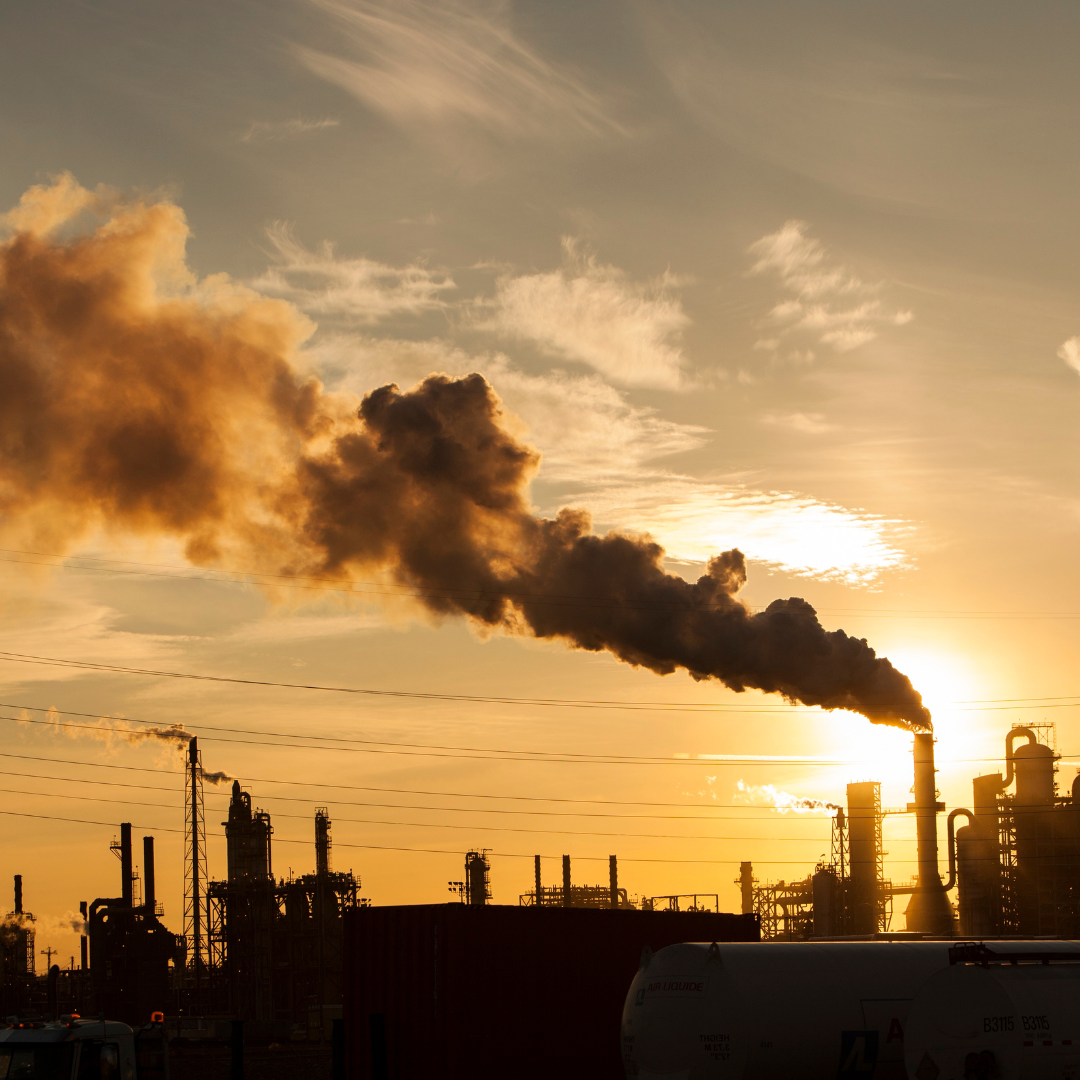
Methane is a short-lived but extremely powerful greenhouse gas, with over 80 times the warming potential of CO₂ in the near term. It has caused approximately 30% of the global warming experienced to date. Because methane breaks down quickly in the atmosphere, cutting emissions delivers a measurable cooling effect within years, not generations. This makes it the most effective tool for immediately slowing the rate of heating. CCAG is calling for a dedicated global strategy to unlock the powerful co-benefits of methane cuts for public health, food security, and economic resilience.

Nationally Determined Contributions (NDCs) have the potential to drive transformative climate action. Utilised effectively, NDCs enable countries to develop tailored climate action plans to support them to reduce their emissions and collectively support efforts to achieve global climate goals. However, NDCs are currently insufficient in moving the world towards the 1.5°C limit set in the Paris Agreement. With new NDCs submitted every five years, CCAG sees this as a pivotal moment to push countries to elevate their ambition, and ensure this is translated this into real-world impact.
By addressing the urgent need for temperature stabilisation, we can safeguard urban areas for future generations. CCAG targets urban resilience, protecting our most vulnerable and marginalised communities. Through our efforts, we demonstrate how climate-positive urban initiatives can drive a cleaner, flourishing society.