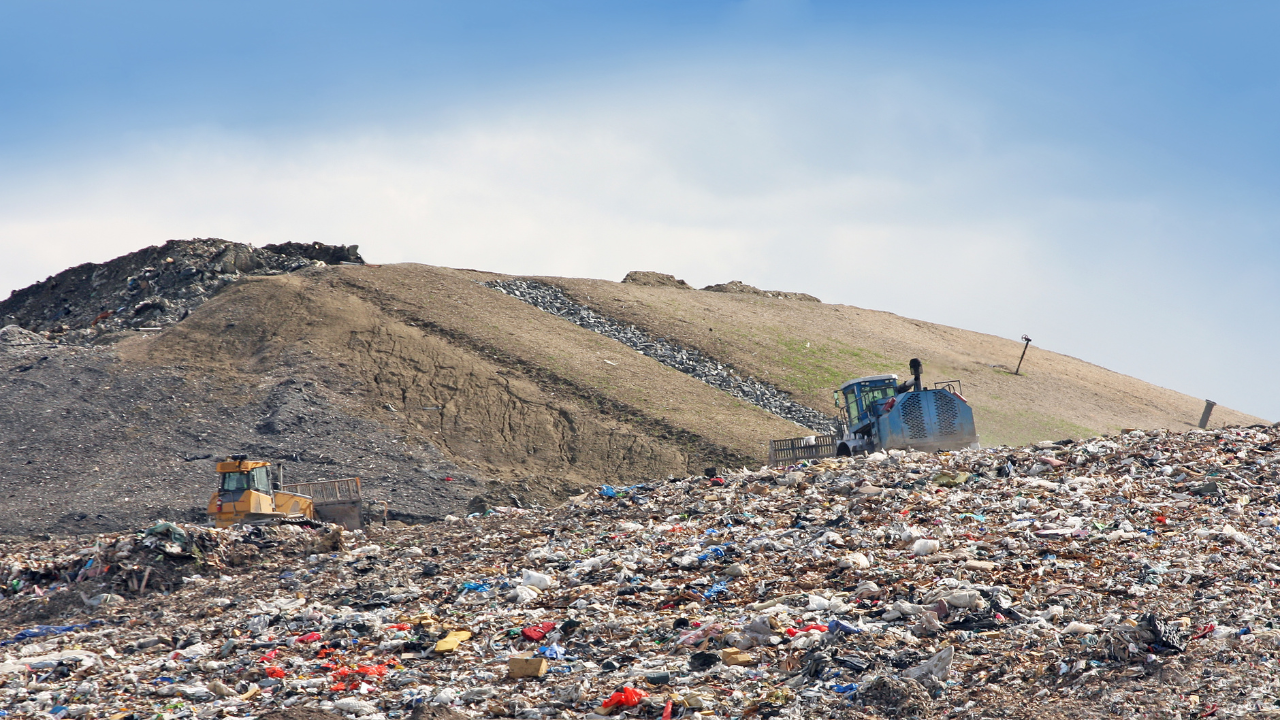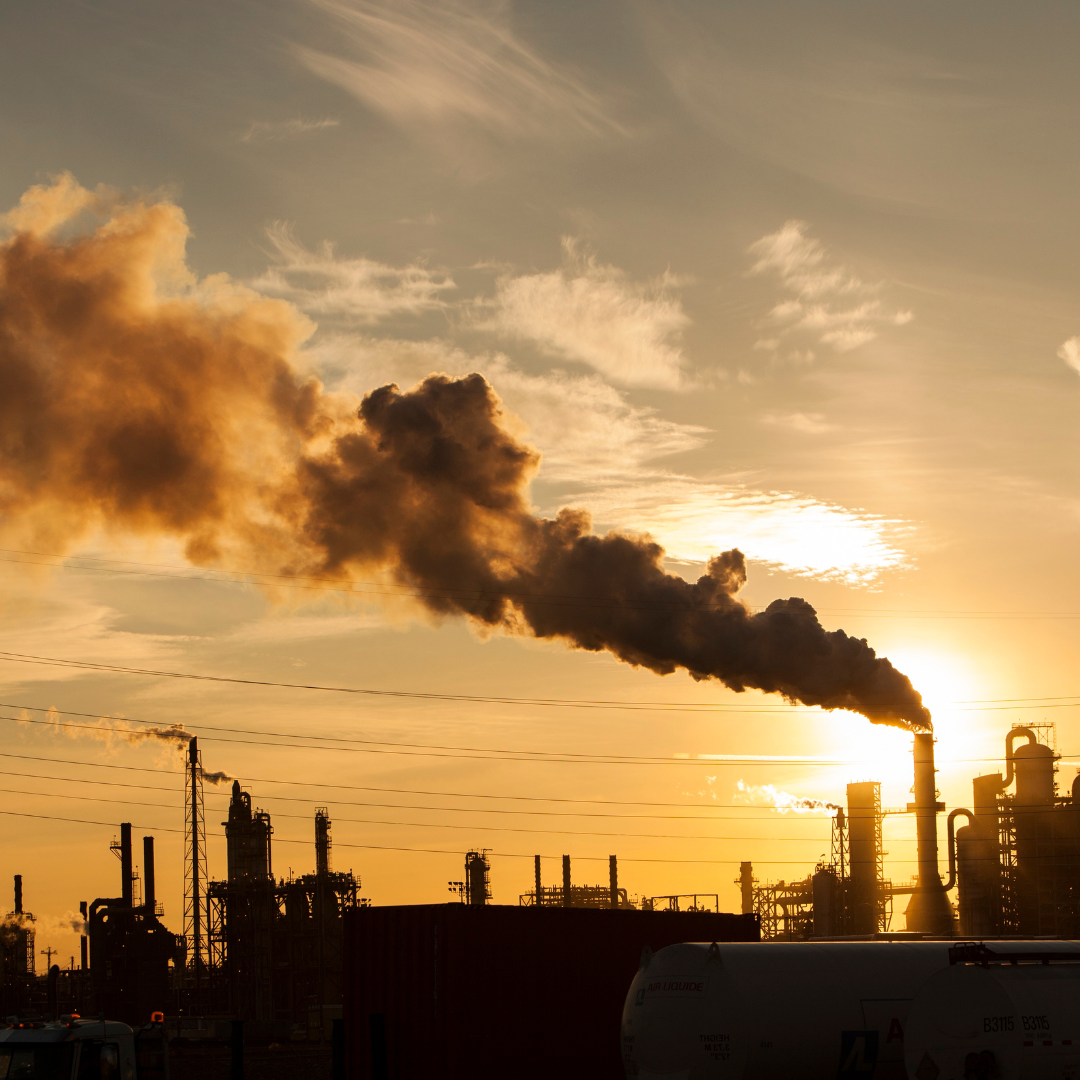
Without reaching net zero CO₂, the world has noviable future. But action on CO₂ alone will not be enough. Methane isresponsible for over a third of the warming the world has experienced to dateand molecule for molecule it is over 80 times as powerful as CO₂.
CCAG is highlighting the fact that methaneabatement is the fastest and cheapest lever we have in this decisive decade. Methaneabatement interventions can also be profitable, and building a strongerevidence base will only sharpen understanding.
This challenge is not simple, however. Each keyemitting sector – energy, agriculture, and waste – brings its own complexities.Yet each also delivers powerful co-benefits: cleaner air, healthier diets,stronger harvests, safer cities. If we fail to grasp the nettle across allthree areas, those already most vulnerable will suffer most, locked into cyclesof failed crops, food insecurity, and escalating heat stress. A fairapproach means large emitters moving fastest, while vulnerable regions must besupported with finance and technology, so they benefit from change rather thanbear its costs.
In September 2025, CCAG launched a report titled “Methane: the emergency brake for climate heating”. The report outlines the near-term power of reducing methane emissions, as well as practical low-cost solutions across the key emitting sectors: energy, agriculture and waste.
The main barriers to action are not technological, but a lack of political will, regulation, and enforcement.