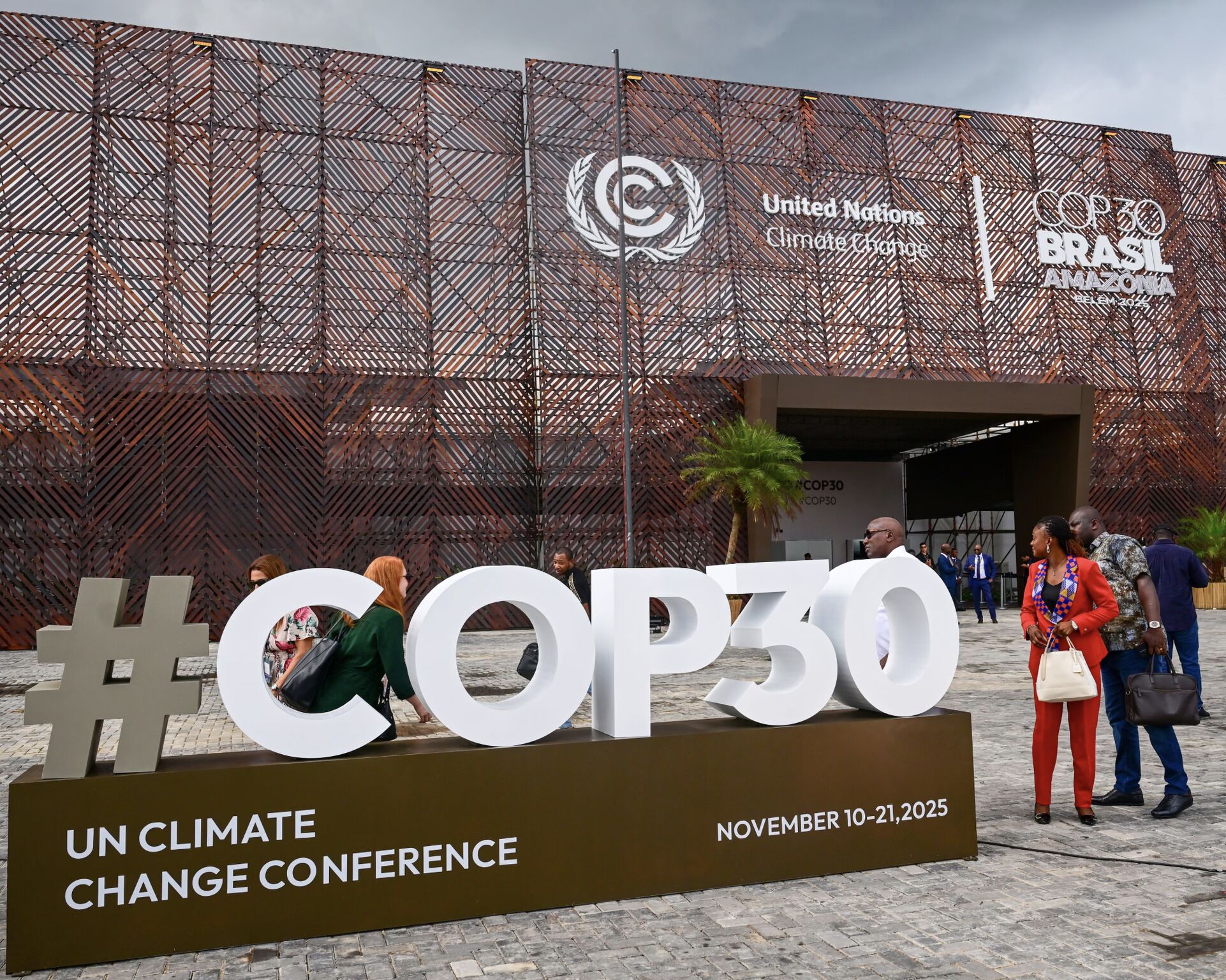
As COP30 opens in Belém, humanity has entered the era of climate overshoot, where global temperatures have breached the 1.5 °C threshold. The Climate Crisis Advisory Group (CCAG) is urging for a renewed commitment to the Paris Agreement - the only legally binding global framework capable of holding nations to account.
In this new overshoot paradigm, the defining challenge will be how high global temperatures rise and how quickly we can bring them back down. The world must now focus on shortening the duration and reducing the peak of overshoot, aiming to return to safer levels within a generation
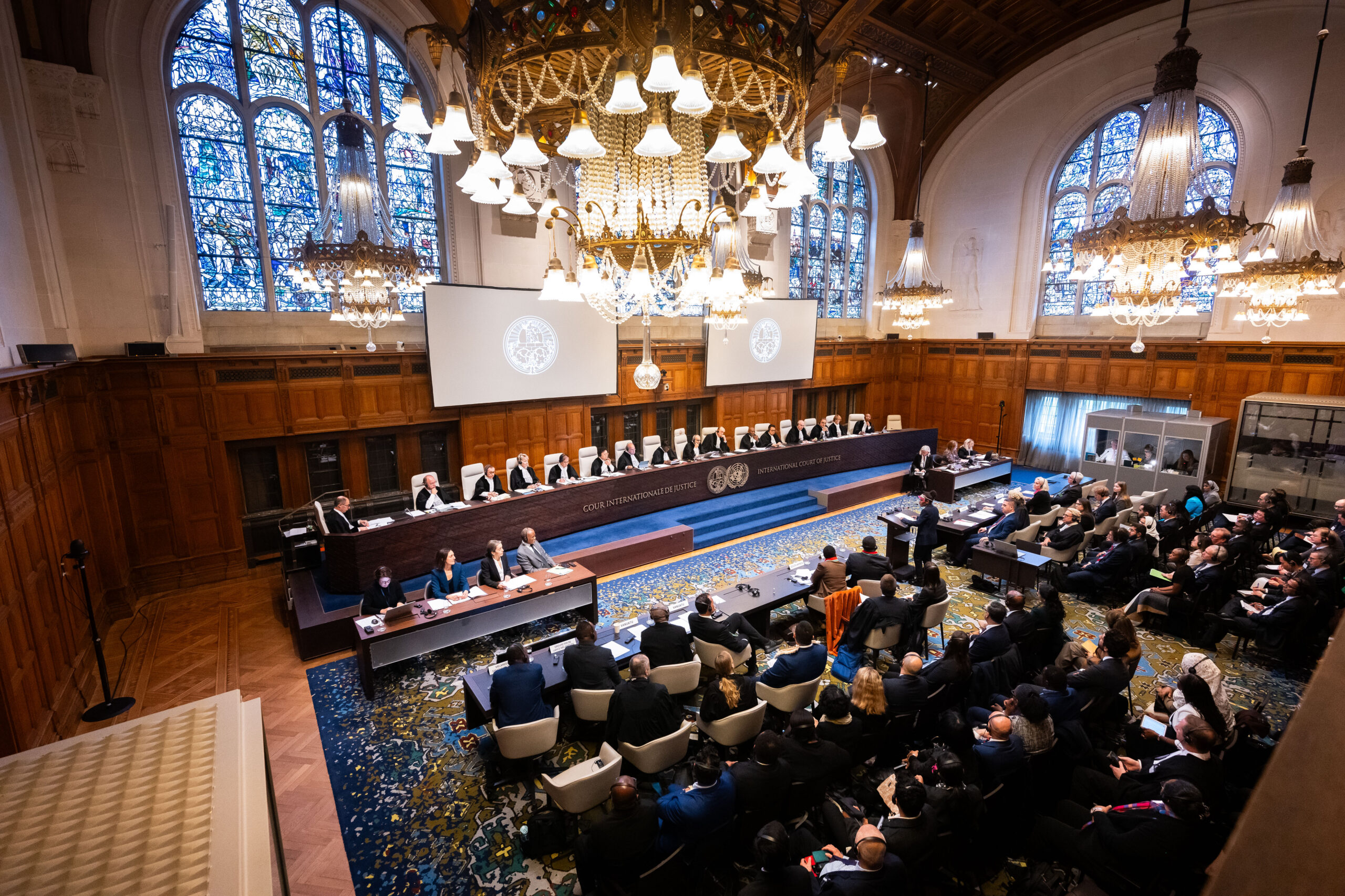
The 1.5 °C limit remains the unifying benchmark for global climate action. It is still the scientifically grounded threshold for stability and the clearest measure of collective responsibility under the Paris Agreement and the International Court of Justice’s 2025 advisory opinion
“Even at today’s levels of warming, the impacts we are witnessing are catastrophic, from deadly heat and collapsing ecosystems to food and water insecurity,” said Sir David King, Chair of CCAG. “Overshoot is a dangerous but temporary condition, and science gives us a clear strategy to return to safety. What matters now is how we limit temperature rise even within overshoot. That will define the next phase of the climate challenge.”
COP30 must achieve a rapid, meaningful response to overshoot
CCAG’s position is clear: every tenth of a degree of avoided warming matters. The higher and longer the overshoot, the greater the risk of irreversible tipping points and the harder it will be to restore climate stability. Yet every action taken now to reduce emissions, remove greenhouse gases, repair planetary systems, and build resilience shortens both the peak and duration of overshoot, and opens new opportunities for economic renewal, cleaner air, restored ecosystems, and fairer societies.
Our Call to Action
CCAG calls on governments at every level, national, regional, and local, to adopt Overshoot Response Plans within their next round of Nationally Determined Contributions (NDCs), incorporating clear, measurable actions under each of the 4Rs.
The group will work with partners across science, policy, and finance over the coming year to help shape a Global Overshoot Response Framework, a coordinated strategy to guide countries and institutions in managing the overshoot and accelerating the return to safety.
Sir David King, Chair of CCAG, continued: “We cannot afford to give up on the Paris Agreement we all fought so hard for. I am tired of hearing about the cost of climate action. What about the cost of inaction, on economies, on lives, on health, and on humanity? The price of delay is far higher than the price of doing what is right. If we act now, we can still build a cleaner, safer, and fairer world for every generation to come.”
The 4R Planet Strategy: A Roadmap Back from Overshoot
CCAG’s scientists set out a four-pillar plan for the overshoot era:
Reduce: End new fossil fuel expansion and accelerate clean energy five-fold this decade. Halve total global emissions by 2030 through deep structural change in energy, transport, industry, and land use. Cut methane and other short-lived climate pollutants sharply to “pull the emergency brake” and limit the peak of warming.
Remove: Clear the carbon debt. Expand safe, verifiable carbon removal through both nature-based and engineered methods to enable a return to stability. Establish an international Overshoot Removal Accelerator to ensure transparent, equitable deployment.
Repair: Invest in the science and governance needed to restore planetary systems safely and fairly. Advance evidence-based research into repair approaches under international oversight, ensuring strong governance and preventing any unregulated or risky interventions.
Resilience: Protect lives through the overshoot. Embed adaptation and resilience in every NDC. Deliver finance for Loss and Damage, expand early-warning systems, and strengthen food, water, and health security for vulnerable communities.